Tips and Risks of Liposuction
Liposuction
Send this page to a friend Print Facebook Twitter Pinterest
It is the extraction of excess body fat through suction using a special surgical team. Normally, the surgery is performed by a plastic surgeon.
Description
Liposuction is a type of cosmetic surgery. This surgery removes excess fat to improve body appearance and polish irregular body contours. Sometimes this procedure is called body contouring.
Liposuction can be used to shape the areas below the chin, neck, cheekbones, upper arms, breasts, abdomen, buttocks, hips, thighs, knees, calves and ankles.
This is a surgical procedure that has risks and may involve a painful recovery. Liposuction can have serious complications or in rare fatal cases. Therefore you should think carefully about the decision to undergo this surgery.
TYPES OF PROCEDURES FOR LIPOSUCTION
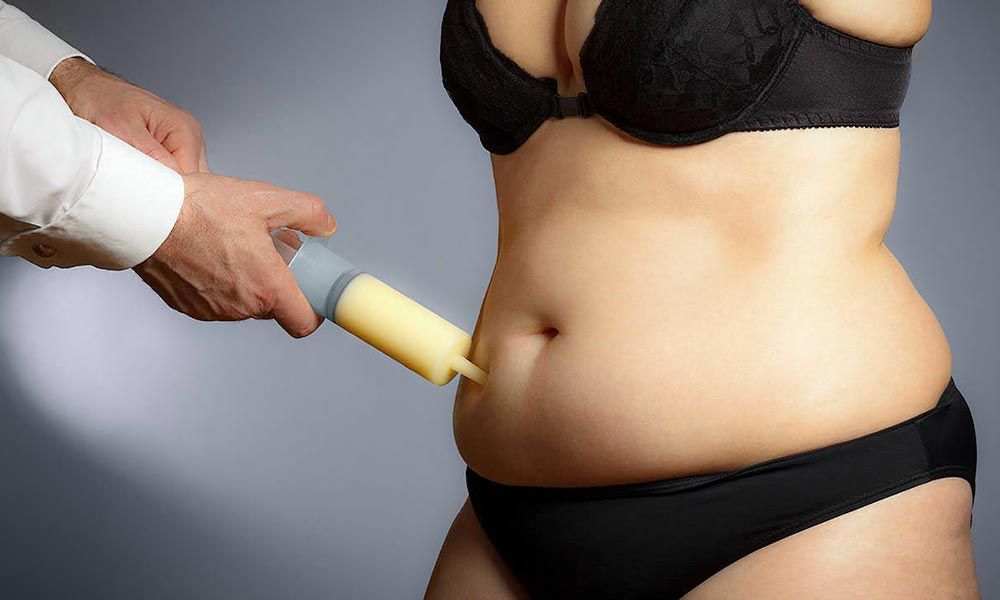
Tumescent liposuction (liquid injection) is the most common type of liposuction. It involves injecting a good amount of medicated solution in the areas to be operated before extracting the fat. Sometimes, the solution can be up to three times the amount of fat to be extracted. The liquid is a mixture of local anesthetic (lidocaine), a drug that constricts blood vessels (epinephrine) and an intravenous (IV) saline solution. Lidocaine helps numb the area during and after the operation. It may be the only anesthetic needed for the procedure. The epinephrine in the solution helps reduce blood loss, bruising and swelling. The intravenous solution helps to extract fat more easily. It is suctioned along with the fat. This type of liposuction usually takes longer than other types.
The superhumid technique is similar to tumescent liposuction. The difference is that not much liquid is used during surgery. The amount of liquid that is injected is equal to the amount of fat to be extracted. This technique takes less time. But a sedative (medicine that makes you sleepy) or general anesthesia (medicine that allows you to sleep and not feel pain) is often needed.
Ultrasound-assisted liposuction (LAU) uses ultrasonic vibrations to transform fat cells into liquid. Subsequently, the cells can be aspirated. This operation can be done in two ways: external (on the surface of the skin with a special emitter) or internal (under the surface of the skin, with the help of a small hot cannula). This technique can help remove fat from dense and fibrous areas of the body, such as the upper back or enlarged breast tissue in men. Frequently, this technique is used in combination with the tumescent technique, in follow-up (secondary) procedures or for greater accuracy. This procedure generally takes longer than the superhumid technique.
Laser-assisted liposuction (LAL) uses laser energy to liquefy fat cells. Once the cells are liquefied, they can be aspirated or allowed to drain through small tubes. Since the tube (cannula) used during LAL is smaller than those used in traditional liposuction, surgeons prefer to use LAL in small areas. These include the chin, jaw and face. One possible advantage of using LAL over other liposuction methods is that the laser energy stimulates the production of collagen. This can help prevent the skin from hanging after liposuction. Collagen is a fibrous protein that helps maintain the structure of the skin.
HOW THE PROCEDURE IS CARRIED OUT
For this surgery, a liposuction machine and special instruments called cannulas are used.
The surgical team prepares the areas of your body that are going to be operated.
You will receive general or local anesthesia.
Through a small incision in the skin, the numbing liquid is injected under the skin in the areas where it will work.
Then, the medicine in the solution takes effect. The detached fat is aspirated through a suction tube. A suction pump or a large syringe provides the suction action.
Several skin punctures may be needed to treat large areas. The surgeon can approach the areas to be treated from several different directions in order to achieve the best silhouette.
After extracting the fat, small drainage tubes can be introduced into the already empty areas to remove the blood and fluid that accumulate during the first days after surgery.
If you have lost a lot of fluid or blood during surgery, you may need a fluid replacement (intravenously). Very rarely, a transfusion may be needed.
 Liposuction Kinds and Risks